Small Steps, Smarter Outcomes

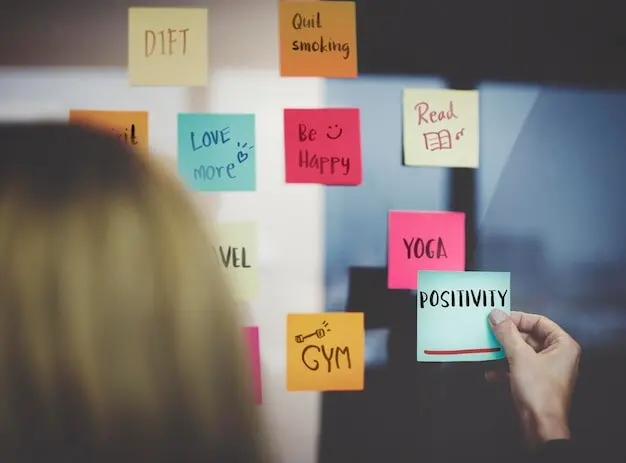
We dive into personalized micro-action libraries powered by AI recommendations, showing how bite-sized, context-aware nudges help you make measurable progress without burnout. Expect clear explanations, lived examples, and practical ideas you can test today across wellbeing, learning, and productivity, while keeping privacy, transparency, and kindness at the center of every decision and interaction you invite into your daily routine.

Why Tiny Actions Transform Big Goals

Big ambitions stall when friction, uncertainty, and limited time collide. Micro-actions create movement by shrinking effort, clarifying the next step, and rewarding consistency. When AI curates these moments to match mood, context, and capacity, momentum compounds. Drawing on behavioral science and compassionate design, we’ll explore how right-sized tasks shrink overwhelm, build confidence, and gradually rewire identity, turning sporadic intent into sustainable progress that genuinely feels achievable and even joyful, no matter how busy or distracted your day becomes.

From Overwhelm to Momentum

Everyone knows the paralysis of a blank page or a crowded schedule. Micro-actions break that freeze by offering one doable move now, not twenty ideal steps later. Each completion releases a small win, nudging you toward the next. When AI recognizes energy dips or time constraints and suggests even smaller tasks, you preserve continuity. That thread of progress matters more than perfection, because momentum, not intensity, is what ultimately transforms intentions into resilient, repeatable habits that survive messy, unpredictable real life.

Behavioral Design Meets Data

Behavioral cues like prompts, simplification, and timely rewards work best when tuned to individual rhythms. Data helps discover those rhythms without guessing. By observing non-invasive signals—calendar gaps, habitual work windows, even preferred formats—AI can propose differentiated steps with just enough challenge. This fusion respects human variability, avoids one-size-fits-all suggestions, and translates proven behavior principles into precise, living guidance. The result is a kinder system that flexes with you, learning when to push, when to pause, and when to simply celebrate persistence.

Real-World Snapshots

A designer trying to read more kept postponing long sessions. An AI-driven library suggested a five-minute skim paired with a one-sentence summary, then offered a slightly longer module on weekends. Within weeks, completion streaks replaced guilt. Another example: a new parent struggled to exercise. The system proposed stroller walks, light mobility during bottle warm-ups, and a gentle stretch sequence after bedtime routines. Tiny, realistic moves maintained identity as an active person, proving transformation arrives through consistent accumulation, not occasional heroics or unsustainable marathons.


Designing a Responsible Recommendation Engine

Great guidance starts with careful listening. A responsible engine interprets intent, models context, and calibrates difficulty while honoring consent and clarity. Techniques like contextual bandits, embeddings, and knowledge graphs help map goals to actions, but governance, explainability, and human oversight keep optimization humane. We’ll outline a pipeline where collection is minimal, privacy-protecting methods are prioritized, and feedback loops favor dignity. That balance creates trustworthy, adaptive recommendations that stay aligned with user values and remain understandable even as models evolve to serve changing needs across time.

Crafting Granularity That Fits Daily Life

Granularity decides whether someone starts now or postpones indefinitely. Provide micro, mini, and moderate versions for each intent: two-minute stretches, five-minute reviews, fifteen-minute deep dives. Offer friction ladders that expand naturally as confidence grows. Clarify completion criteria and expected feelings afterward, like calm or clarity, so people select by emotional goal too. When energy dips, the smallest step keeps the chain intact; when enthusiasm rises, extended options channel momentum. This respectful spectrum prevents all-or-nothing thinking and sustains progress during unpredictable, wonderfully human days filled with change.

Inclusive Language and Accessibility

Words shape safety. Choose instructions free from judgment, and provide alternatives for different bodies, schedules, and cultures. Ensure compatibility with screen readers, captions, high-contrast modes, and keyboard navigation. Add sensory-friendly formats and neurodiversity-aware pacing. Where movement is involved, include seated and lying-down variants. Respect religious observances and family responsibilities when timing suggestions. Invite user edits to tailor phrasing that resonates personally. Inclusion is not an afterthought; it’s the design principle that transforms a generic checklist into a welcoming companion, supporting dignity while guiding meaningful, realistic daily actions forward.

Quality Assurance at Scale

As libraries grow, consistency can drift. Establish editorial guidelines for language, effort estimates, safety notes, and contraindications. Run human review sprints with domain experts, then complement with automated checks for reading level and duplication. A/B test variations responsibly, measuring satisfaction, adherence, and long-term wellbeing, not clicks alone. Close the loop by promoting high-signal user feedback directly into curation workflows. Retire stale entries, elevate proven winners, and document changes for transparency. Treat the library as a living product that matures through evidence, humility, and continuous learning informed by real experiences.

Personalization Without Pressure
Support should feel like a helpful friend, not a drill sergeant. Autonomy, competence, and relatedness matter as much as efficiency. Offer choices, explain options, and never shame missed steps. Adapt goals to changing seasons of life. Introduce gentle streaks with flexible forgiveness rules. Encourage reflection rather than rigid scoring. When people feel respected and resourced, they return willingly. That willingness is the fuel for sustainable change, where small, compassionate prompts nudge identity from aspiring to becoming, quietly and steadily, without anxiety or performative metrics overshadowing genuine personal growth.
Self-determination theory reminds us that autonomy nourishes motivation. Offer opt-in paths, adjustable pacing, and the right to say no without penalty. Detect stress signals and recommend lighter alternatives or simple pauses. Replace scolding reminders with encouraging reflections and possibility frames. Celebrate process, not just outcomes, and foreground values alignment so each step feels personally meaningful. Over time, this adaptive kindness builds resilient engagement that survives setbacks, reframes plateaus as learning phases, and preserves the fragile but powerful bond between identity, curiosity, and the next small step forward.
Points and badges can inspire, but they can also backfire when they eclipse intrinsic purpose. Use playful elements sparingly: soft streaks with grace periods, seasonal challenges with cooperative goals, and personal bests framed as explorations rather than competitions. Visualize cumulative minutes saved, pages read, or deep breaths taken. Offer narrative progress markers that tell a story instead of shouting a score. Most importantly, allow quiet modes where recognition is private. Uplifting play protects dignity, reduces comparison, and keeps attention on growth that actually matters beyond quantifiable trophies or leaderboards.
Rest is productive. Build restorative tasks directly into the library—breathing, micro-breaks, brief walks, reflection prompts—so pauses count as progress, not failure. Offer off-days without punishment and recovery plans after disruptions. Detect overuse patterns and gently suggest decompression or reevaluation of capacity. When someone returns after a gap, start smaller than before to rebuild confidence. Normalize cycles of push and pause, mirroring how bodies and minds naturally adapt. By honoring seasons rather than forcing straight lines, the system sustains wellbeing alongside achievement, protecting users from hidden costs of relentless striving.

North-Star Metrics With Humanity Inside

Choose indicators that reflect progress people can feel: reduced anxiety minutes, task initiation rate, sustainable reading cadence, or consistent bedtime routines. Combine quantitative timelines with reflective check-ins to capture subjective wellbeing. Consider distributional outcomes to avoid helping only the already motivated. Track activation energy reduction as users adopt smaller starters before bigger moves. Synthesize these signals into a compassionate north star that resists gaming. When metrics mirror lived experience, teams prioritize what truly moves lives forward and retire surface-level numbers that only look impressive on presentation slides.

Experimentation Done Ethically

Run experiments with clear hypotheses, minimal risk, and informed participation. Prefer reversible changes, monitor guardrail metrics for unintended effects, and stop early when harm appears. Share learnings openly, including null results. Use adaptive designs to reduce exposure to weak variants. Combine offline policy evaluation with limited online rollout for safety. Ensure diverse representation in samples to avoid skewed conclusions. By treating experimentation as stewardship, not conquest, you refine recommendations responsibly, proving that rigor and empathy can coexist and that evidence-based improvements need not sacrifice respect or user agency.

Closing the Loop With Users

Data becomes dialogue when people see outcomes of their contributions. Present personal insights in everyday language, reveal which actions helped most, and invite edits to goals or constraints. Summarize community learnings ethically, never exposing identities, and offer opt-out controls everywhere. When roadmaps reflect community feedback and visible changes follow, participation deepens. This reciprocal relationship transforms users into collaborators, enabling a faster, wiser evolution of the library and recommendation logic. Progress then feels co-authored, not imposed, strengthening loyalty and ensuring real-life needs keep steering technical ambition responsibly.

Integrations and Everyday Moments

Micro-actions work best when they appear where life happens—calendars, browsers, wearables, smart speakers, and workflow tools. The challenge is orchestration without overload. Intelligent throttling, cross-device memory, and channel fit keep nudges timely and welcome. Shortcuts, widgets, and voice commands remove friction from starting. Context windows balance focus and spontaneity. With strong privacy defaults and graceful failure modes, integrations feel like helpful background companions, stitching tiny moments of progress into routines without stealing attention, flooding notifications, or fragmenting identity across a messy device ecosystem and schedule.
Siramirazera
Privacy Overview

This website uses cookies so that we can provide you with the best user experience possible. Cookie information is stored in your browser and performs functions such as recognising you when you return to our website and helping our team to understand which sections of the website you find most interesting and useful.